


A move to the Dominican Republic often begins with a clear picture: warmer weather, a more relaxed pace, and the possibility of building a life near the coast or in a vibrant city. The practical reality starts with documents, immigration status, banking, healthcare, and decisions that are much easier to make before your household goods arrive. This Dominican Republic relocation guide for expats outlines the key steps for making the move with legal clarity and a workable settlement plan.
Start With the Right Residency Plan
Many foreign nationals can enter the Dominican Republic as visitors, but a tourist stay is not a long-term immigration strategy. If you intend to retire, work, operate a business, invest, study, or make the country your principal home, obtaining the appropriate visa and residency status should be an early priority.
The correct pathway depends on your circumstances. Common options include retirement residency for applicants with qualifying pension income, rentier residency for those with recurring income from investments or other sources, and investor or business-related pathways. Family circumstances, nationality, income source, and the purpose of your stay can all affect the most suitable approach.
In many cases, the process begins with a residency visa application through the Dominican consulate serving your area, followed by an in-country application for temporary residency. After maintaining lawful residency for the required period and meeting the applicable conditions, an individual may become eligible to pursue permanent residency. Citizenship may also be possible later for qualifying residents, though it is a separate legal process with its own requirements.
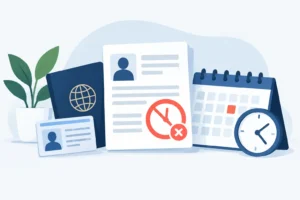
The sequence matters. A missed legalization, an expired police certificate, or a document prepared in the wrong format can delay an application. Before filing, applicants commonly need a valid passport, birth certificate, marriage or divorce records where applicable, proof of income or financial capacity, medical documentation, and criminal background checks. Foreign-issued documents generally require apostille or legalization and Spanish translation when required.
Build a Document Plan Before You Travel
Background checks and civil records have limited validity for immigration purposes. That means gathering documents too early can be just as problematic as gathering them too late. Applicants from the United States may need an FBI background check, while Canadian applicants may need an RCMP check. The timing of fingerprints, apostilles, translations, and consular filing should be coordinated as one plan.
A local immigration team can help identify which original documents are needed, how they must be authenticated, and when each item should be issued. This preparation protects you from making expensive return trips simply to obtain a corrected document.
Choose a Location That Fits Your Actual Life
The Dominican Republic offers very different lifestyles within a relatively compact country. The best place to live depends less on what looks appealing during a one-week visit and more on how you expect to spend an ordinary Tuesday.
Santo Domingo offers the broadest range of private hospitals, international schools, government offices, restaurants, and professional services. It is often a practical choice for entrepreneurs, families, and anyone who values city convenience. The trade-off is traffic, noise, and a faster pace than many newcomers expect.
Punta Cana and Bávaro appeal to those seeking resort-area amenities, beach access, and established international communities. They can work well for retirees, remote workers, and buyers who want proximity to the eastern coast. However, some services may be more seasonal, and regular travel to Santo Domingo may be necessary for certain administrative or business matters.
The north coast, including Puerto Plata, Sosúa, and Cabarete, attracts expats who want a more relaxed, outdoors-oriented lifestyle. Santiago offers a major inland city with a strong commercial base, lower costs than many coastal markets, and access to medical care and everyday services. No location is universally best. Visit at different times of day, test the drive to groceries and healthcare, and ask about internet reliability before making a long lease or property purchase.
Housing: Rent First When You Can
Buying property may be part of your long-term plan, but renting first gives you time to understand a neighborhood, building management, seasonal conditions, and local pricing. It also allows you to confirm whether the lifestyle you imagined matches your daily needs.
When reviewing a lease, clarify what is included. In some communities, rent may include maintenance, security, or water, while electricity, internet, and gas are billed separately. Electricity costs can be significant in homes that rely heavily on air conditioning. Ask about backup power, water storage, generator arrangements, and parking, particularly in condominium buildings.
Foreigners can generally own real estate in the Dominican Republic, but property due diligence is essential. A proper review should examine title, boundaries, taxes, condominium rules, seller authority, and any existing liens or claims. Do not treat a verbal assurance or an informal receipt as a substitute for legal review.
Banking, Money, and Your First Financial Setup
Opening a Dominican bank account can simplify rent payments, utility bills, local transfers, and business operations. Yet banks have their own compliance standards, and requirements can vary based on your residency status, income source, nationality, and the type of account requested.
Expect questions about the origin of your funds and your reason for opening the account. A passport alone may not be enough. Banks may request residency documentation, references, proof of address, tax information, or evidence of income. For business accounts, corporate documents and shareholder information are usually required.
It is wise to maintain access to your home-country accounts during the transition. International transfers, card usage, exchange rates, and local cash needs should be planned before you rely entirely on a new Dominican account. For investors and business owners, personal banking, corporate banking, tax planning, and immigration status should be considered together rather than as isolated tasks.
Healthcare, Insurance, and Everyday Administration
Private healthcare in the Dominican Republic is widely used by expats, particularly in Santo Domingo, Santiago, and larger coastal areas. Quality and cost vary by provider, specialty, and location. Many newcomers choose private health insurance or international coverage, while others combine local coverage with an emergency reserve or supplemental plan.
Review insurance carefully before enrolling. Ask whether your preferred hospitals and physicians are covered, whether pre-existing conditions are subject to waiting periods, and what emergency treatment looks like outside major cities. A low monthly premium is not always the best value if it provides limited access to the care you expect to use.
Once residency is underway or approved, practical tasks become easier to organize. These can include obtaining a Dominican driver’s license, establishing utility accounts, arranging local mobile service, and registering children for school. Requirements for a driver’s license conversion or application can vary, so it is helpful to confirm the current process before assuming a foreign license will meet every local need.
Understand Tax Residency Before It Becomes Urgent
Relocating does not automatically end your tax obligations in the United States or another home country. U.S. citizens and many U.S. tax residents remain subject to U.S. reporting requirements even while living abroad. At the same time, spending substantial time in the Dominican Republic, earning Dominican-source income, owning property, or operating a local business can create tax obligations in the country.
Tax residence is not a detail to leave until filing season. The right structure for a retiree receiving pension income may differ from the right structure for a remote consultant, real estate investor, or owner of a Dominican company. Early advice can help you understand reporting responsibilities, income treatment, corporate compliance, and whether an incentive regime may apply to your situation.
Make the Move in a Sequence That Reduces Risk
A successful relocation is usually not one large decision. It is a series of coordinated decisions: secure the right immigration pathway, prepare valid documents, choose housing carefully, organize financial access, and understand your healthcare and tax position. Rushing one part can create complications in another.
Abreu & Associates helps foreign nationals coordinate these legal and practical steps through an all-inclusive immigration approach, from residency documentation to banking, insurance coordination, and settlement support. The goal is not simply to arrive in the Dominican Republic, but to establish yourself there with confidence and a foundation that supports the life you came to build.
The country can offer an exceptional home for retirees, families, professionals, and investors. Give the legal and logistical side of the move the same care you give your choice of neighborhood, and you will have far more freedom to enjoy what comes next.