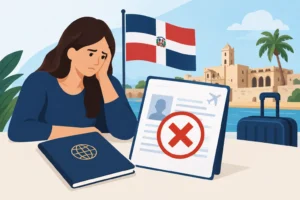


A Dominican residence card and Dominican tax residency are related, but they are not the same legal status. This distinction matters before you move, retire, purchase property, open a business, or begin spending substantial time in the country. To obtain Dominican tax residency in a practical sense, you need to understand both your immigration position and the facts that make you taxable as a Dominican resident.
For many foreign nationals, the question is not whether the Dominican Republic is an attractive place to live. It is when their time in the country, income sources, and local ties create tax obligations. Planning early can help you avoid filing surprises, protect your compliance position, and coordinate your Dominican strategy with tax obligations in the United States or another home country.
What Dominican Tax Residency Actually Means
Tax residency determines how the Dominican tax authorities may treat your income. Immigration residency determines your right to remain in the country. A person can begin creating Dominican tax-residency exposure through physical presence even if they have not yet completed a permanent residency process. Conversely, a legal resident who spends limited time in the country may need a more fact-specific analysis of their tax position.
Under the Dominican Tax Code, an individual is generally considered resident for tax purposes after being in the Dominican Republic for more than 182 days, continuously or intermittently, during a fiscal year. The calculation is based on actual presence, not simply the date printed on a residency card. Because the Dominican fiscal year generally follows the calendar year, arrival dates, travel records, and extended trips abroad can all matter.
Tax residency is not merely a label for retirees. It can affect entrepreneurs operating locally, remote workers living from foreign income, investors receiving Dominican-source income, and families who have shifted the center of their lives to the country.
The Difference Between Immigration Residency and Tax Residency
Legal immigration status remains an essential part of a compliant move. Temporary residency, permanent residency, and citizenship each establish different rights and obligations under Dominican immigration law. They can also make everyday life easier by supporting bank-account applications, contracts, driver’s license procedures, and longer-term settlement.
However, obtaining a residence permit does not automatically mean you are taxed on every category of worldwide income from day one. Dominican tax treatment depends on the nature and source of income, how long you have been resident or domiciled, applicable tax rules, and any available incentive regime. The timing of your move is therefore as important as the residency category you choose.
Foreign individuals who become residents or are domiciled in the Dominican Republic have historically benefited from a transition rule under which foreign-source income is generally not subject to Dominican income tax during the first three years of Dominican residency. After that period, worldwide-income considerations may apply. This is an area where personal facts matter greatly, particularly for clients with investment portfolios, foreign companies, trusts, pensions, rental income, or U.S. filing obligations.
Do not assume a three-year transition rule eliminates all tax planning. Dominican-source income may be taxable sooner, and separate rules can apply to payroll, business profits, real estate income, capital gains, withholding, and indirect taxes.
How to Obtain Dominican Tax Residency: A Practical Path
There is no single application that allows every foreign national to elect tax residency on demand. In most cases, it develops through lawful presence, time spent in the country, and the establishment of genuine local connections. A well-organized relocation plan usually follows a clear sequence.
Establish the right immigration foundation
Your first decision is usually which immigration route supports your reason for relocating. Retirees and financially independent applicants may qualify through pensioner or rentier categories. Investors, employees, entrepreneurs, and family members may require a different route. The appropriate visa and residency strategy should reflect your actual circumstances rather than a generic checklist.
Maintaining valid status is valuable even where the immediate issue is tax. It gives your relocation structure credibility and helps support practical needs such as leasing a home, arranging insurance, registering a company, and dealing with financial institutions.
Track your days from the beginning
Keep reliable evidence of every entry and exit. Passport stamps, airline confirmations, travel calendars, and immigration records can help establish the number of days you were physically present in the Dominican Republic. This is especially important for snowbirds, remote workers, and clients whose travel is spread across several trips.
The 182-day threshold is not necessarily 182 consecutive days. Frequent short visits can accumulate. If you are approaching that threshold, obtain advice before assuming that a brief departure resets the count.
Identify your income before relocating
A pre-move review should map where your income arises and how it is paid. Salary from a foreign employer, consulting fees, dividends, pension distributions, rental proceeds, cryptocurrency transactions, and income from a foreign-owned company may each require different analysis.
For example, a U.S. citizen who works remotely from Punta Cana for a U.S. company may still have U.S. tax filing responsibilities while also creating Dominican tax issues based on the location of the work performed. A retiree receiving Social Security, private pension income, and dividends needs a different review than an investor managing a Dominican development company.
This is why tax residency should be planned alongside immigration, rather than addressed after you have already crossed a physical-presence threshold.
Register and file when required
Once you have Dominican taxable activity or reporting obligations, you may need to interact with the Dirección General de Impuestos Internos, commonly called DGII. Depending on your circumstances, this can involve obtaining a taxpayer registration number, maintaining records, making estimated payments, handling payroll or business compliance, and filing an annual individual income tax return.
The standard annual individual income tax filing deadline is generally March 31 for the prior tax year, although specific obligations and deadlines can vary. Employees whose tax is fully withheld may have a different filing position than self-employed individuals, landlords, and business owners. Do not wait until filing season to organize bank statements, invoices, expense records, and proof of tax paid abroad.
Common Planning Issues for U.S. Citizens
U.S. citizens and green card holders remain subject to U.S. tax filing rules even after establishing a life in the Dominican Republic. Becoming a Dominican tax resident does not end that obligation. It may, however, create the need to coordinate two tax systems and assess options such as foreign tax credits, foreign earned income rules, information reporting, and the treatment of foreign financial accounts or entities.
The Dominican Republic does not have a broad income tax treaty with the United States that resolves every cross-border issue. As a result, the order in which income is earned, where services are performed, and whether taxes are paid in one jurisdiction or both can have meaningful consequences.
Business owners should be particularly careful. A U.S. company managed from the Dominican Republic, a Dominican company owned by a U.S. person, and a freelancer invoicing overseas clients can each create separate corporate, personal, payroll, and reporting questions. A residency application should not be used as a substitute for a cross-border tax review.
Tax Residency Can Support a Long-Term Move, but It Brings Responsibilities
For many clients, becoming a Dominican tax resident is part of putting down real roots. It may align with permanent residency, a local home, family life, investment activity, and a business presence. It can also offer a clearer framework for financial planning than trying to remain indefinitely in visitor status.
The trade-off is that stronger local ties come with greater compliance responsibilities. Foreign income planning becomes more relevant after the initial residency period, recordkeeping becomes more important, and changes in your travel pattern can affect the analysis. Tax laws and administrative practice can also change, so advice should be current when you act.
The most effective approach is coordinated from the beginning: select the appropriate immigration category, document your presence, understand your income sources, and involve qualified Dominican and home-country tax professionals before major transactions. Abreu & Associates can help clients organize the immigration and relocation side of that process while they build the right tax advisory team for their circumstances.
A well-planned move gives you more than permission to stay in the Dominican Republic. It gives you the confidence to build a life there with your records, residency status, and financial decisions working in the same direction.