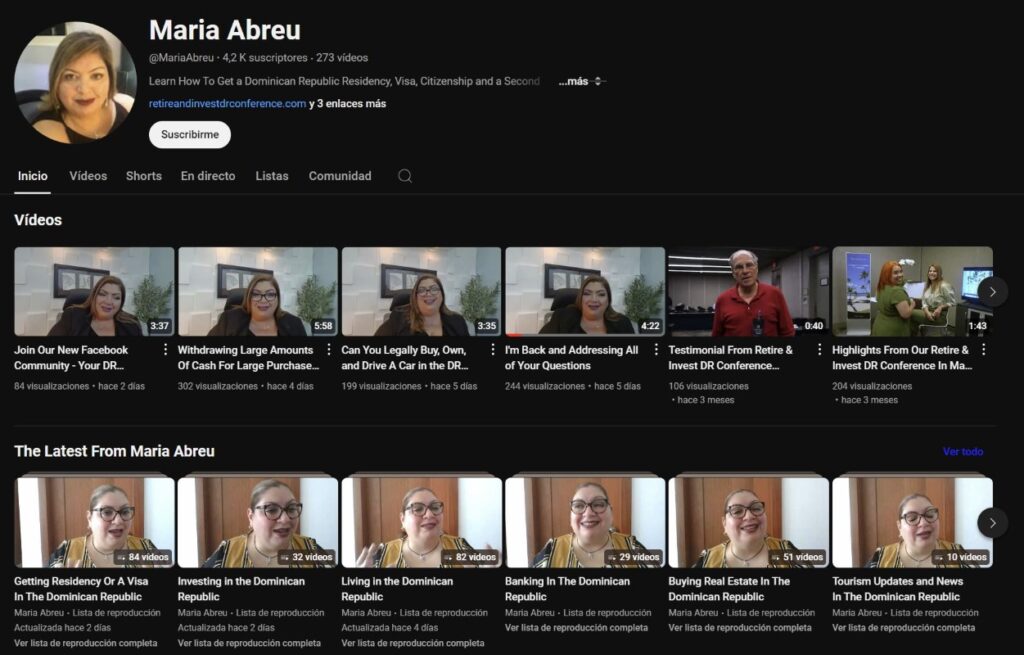



A Dominican bank account becomes urgent the moment your landlord asks for a local transfer, a utility provider requires automatic payment, or you need to receive proceeds from a property sale. For newcomers comparing the best banks for expats Dominican Republic options, the real question is not simply which bank has the most branches. It is which institution can support your day-to-day life while accepting your immigration status, income documentation, and intended banking activity.
For many foreign nationals, opening an account is one of the most practical steps after securing residency or establishing a local business. It can also be one of the more document-sensitive parts of a move. Banks must comply with Dominican anti-money laundering rules and internal know-your-customer policies, so requirements can vary by institution, account type, nationality, and source of funds.
What Expats Should Look for in a Dominican Bank
The best bank is rarely identical for every expat. A retiree receiving pension income, a remote worker paid from the United States, and an investor purchasing property may all need different account features.
Start with the bank’s experience serving foreign clients. A bank with English-speaking staff at selected locations can make the process easier, particularly when questions arise about compliance documents or international transfers. However, service quality can differ from one branch to another. It is wise to choose a branch close to where you live or conduct business and confirm that it handles accounts for foreign nationals.
Digital banking also matters. Most major Dominican banks offer online banking and mobile applications, but capabilities vary. Review whether the platform allows you to make transfers, pay utilities, manage cards, and receive account alerts without frequent branch visits. If you expect to travel regularly, ask about transaction limits, overseas card use, and the process for resolving a blocked card or suspicious-activity alert from abroad.
Currency options deserve equal attention. A Dominican peso account is useful for rent, groceries, local services, and payroll. A U.S. dollar account may be valuable for holding funds tied to foreign income, investments, or a property transaction. Not every customer will qualify for every type of foreign-currency account, and banks may request additional evidence showing the lawful origin of funds.
Best Banks for Expats in the Dominican Republic
The following institutions are commonly considered by foreign residents, retirees, and business owners. Availability, policies, fees, and documentation requirements can change, so a current pre-application review remains essential.
Banco Popular Dominicano
Banco Popular is one of the country’s best-known private banks and is often a practical choice for expats who want broad branch access, established digital banking, and a large ATM network. It is frequently considered by people living in Santo Domingo, Santiago, Punta Cana, and other major areas.
Its appeal is convenience. Clients can generally access personal banking, cards, local transfers, and business banking services through one institution. For a foreign resident who plans to build a long-term financial life in the country, that breadth can be useful.
The trade-off is that a large institution may apply documentation rules carefully and consistently. Expect detailed questions about residency, occupation, source of income, and the purpose of the account. Applicants should not assume that a U.S. passport alone is sufficient for an account opening.
Banreservas
Banreservas has the largest physical footprint in the Dominican Republic and is a strong option for people who value access beyond the main metropolitan and resort areas. It can be particularly helpful for clients who spend time in smaller cities or need a bank with extensive local reach.
For expats, Banreservas may be worth considering when branch availability and local payment functionality are priorities. Its broad presence can make routine deposits, withdrawals, and in-person support more convenient.
As with any bank, the account-opening experience may depend on the branch and your documents. Foreign nationals should verify whether the selected branch handles nonresident or newly resident applicants and whether an appointment or preliminary review is advisable.
Banco BHD
Banco BHD is another established private banking option with a substantial national presence. It is commonly considered by professionals, families, property owners, and entrepreneurs who want a full-service relationship rather than a basic transaction account.
Depending on the client’s profile, BHD may offer useful personal, business, lending, and foreign-currency services. This can be attractive when a client expects their financial needs to grow after relocation, such as opening a company, financing a vehicle, or managing property-related payments.
A strong fit often comes down to the local branch, account package, and the clarity of the applicant’s financial profile. If you are arriving with foreign income or planning a sizable transfer, prepare a well-organized source-of-funds file before beginning the application.
Banco Santa Cruz and Other Regional Options
Banco Santa Cruz and other Dominican institutions may be a good fit for clients who prefer a more localized relationship or who receive a strong recommendation from a trusted contact in their area. Smaller banks can sometimes provide attentive branch-level service, although their international functionality, branch coverage, and digital features may differ from the largest institutions.
This is where personal needs matter most. A bank that works well for a property owner in Puerto Plata may not be ideal for a business operator making frequent international payments from Santo Domingo. Compare the actual services you will use, not only the account’s opening requirements.
Documents Commonly Requested When Opening an Account
Dominican banks typically require foreign applicants to provide more than an identification document. The exact list differs by institution, but applicants should be prepared to present a valid passport, proof of address, and evidence of legal status in the Dominican Republic when available.
Residents are often asked for their Dominican residency card and cédula. Applicants without residency may face more limited options or additional review. In some cases, a bank may consider a nonresident account application, but approval is not automatic and can depend on the client’s profile and the bank’s current policies.
Banks also commonly request proof of income or source of funds. This may include employment verification, pension letters, tax returns, bank statements, business records, investment documents, or property-sale documentation. If a spouse will be a joint account holder, each applicant may need to provide identification and supporting documents.
For business accounts, the process is more extensive. Expect the bank to review company formation documents, tax registration, beneficial ownership information, corporate resolutions, and evidence of the company’s anticipated activity. A newly formed company without a clear operating plan or documented capital source may receive additional compliance questions.
Why Residency Can Make Banking Easier
Legal residency does not guarantee that a bank will open an account, but it often makes the process more straightforward. It gives the bank a clearer local identification record and helps establish that you have an ongoing connection to the Dominican Republic.
This is one reason banking should be planned alongside immigration, not treated as an afterthought. A foreign national who begins a residency application, signs a lease, buys property, or forms a company may need to coordinate documents across several agencies and institutions. Inconsistent addresses, unexplained transfers, or incomplete translations can slow the process.
For clients moving from the United States or Canada, apostilled civil documents, translated records, and financial evidence should be organized early. Banks may not require every item at the first meeting, but having a complete file reduces delays when a compliance officer requests additional support.
International Transfers, Taxes, and Account Use
Before selecting a bank, ask how incoming international wires are handled, what fees may apply, and what information should appear in the transfer instructions. Large transfers, especially those related to real estate purchases or investments, should be documented carefully from the start. Keep contracts, closing statements, wire confirmations, and source-of-funds records together.
U.S. citizens and other U.S. persons should also remember that a Dominican account may create U.S. reporting obligations. Depending on aggregate foreign account balances and personal circumstances, FBAR and FATCA reporting may apply. Dominican residency can also create local tax considerations. Banking decisions should be coordinated with qualified cross-border tax advice rather than based on informal guidance from a branch employee.
Avoid using a personal account for a business if the bank has not approved that purpose. Regular commercial activity through a personal account can trigger questions, delays, or account restrictions. The right structure is usually simpler and safer in the long term.
A Practical Way to Choose Your Bank
Begin by identifying how you will use the account during your first year. If your priority is paying local living expenses, a peso account with strong branch and ATM access may be enough. If you will receive foreign income, acquire property, or operate a company, you may need dollar-account capabilities, international wire support, or a business banking relationship.
Then prepare your documents before visiting a branch. Bring originals where possible, use certified translations when appropriate, and be ready to explain your income and intended account activity clearly. A complete, consistent application is often more valuable than choosing a bank based on one advertised feature.
Relocating to the Dominican Republic involves legal, financial, and practical decisions that affect one another. With the right documentation and local guidance, a bank account can become a useful foundation for a more settled and confident life in the country.