

A move to the Dominican Republic can begin with a beachfront apartment search or a retirement plan, but the decisions that make the move successful usually happen much earlier. If you are researching how to relocate Dominican Republic, the first priority is not booking a flight. It is building a legal, financial, and practical plan that reflects why you are moving, how long you intend to stay, and what you will need once you arrive.
For Americans and other foreign nationals, the Dominican Republic offers warm weather, established international communities, attractive investment opportunities, and a lower cost of living in many areas. Yet relocation involves more than choosing between Santo Domingo, Punta Cana, Santiago, Las Terrenas, or the North Coast. Residency status, document preparation, tax exposure, banking access, health coverage, and housing arrangements all deserve attention before you commit.
Start With Your Reason for Relocating
Your immigration pathway should match your circumstances. A retiree living on pension income, an entrepreneur opening a Dominican company, a remote worker paid abroad, and an investor purchasing local property may all have different documentation needs and planning considerations.
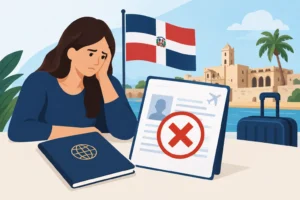
Many people initially enter the country as visitors to explore neighborhoods, meet real estate professionals, and experience daily life. That can be a useful first step, but a tourist stay is not a substitute for legal residency if you plan to establish the Dominican Republic as your home. Remaining beyond the authorized period can create complications and does not provide the stability that comes with a formal immigration status.
Before moving forward, clarify whether you intend to retire, work, operate a business, invest, study, reunite with family, or spend only part of the year in the country. This decision affects the visa and residency route you should pursue, as well as the evidence you may need to provide.
How to Relocate to the Dominican Republic Legally
For most foreign nationals who wish to live in the country long term, the process typically begins with the appropriate residency visa obtained through a Dominican consulate abroad. After entering the Dominican Republic with that visa, applicants generally complete a temporary residency application with the local immigration authorities. Temporary residency can later lead to renewals, permanent residency eligibility, and, for qualifying individuals, a potential citizenship pathway.
The exact route depends on your profile. Common categories can include retirement-based residency, income-based residency, investment-based residency, employment-related options, family reunification, and other qualifying circumstances. Immigration rules and supporting-document standards can change, so it is wise to confirm the current requirements before collecting documents or making travel arrangements.
A properly structured application matters. Incomplete files, expired certificates, improperly legalized records, and inconsistencies between documents can delay an otherwise eligible case. A local immigration professional can help identify the appropriate category and manage the sequence of consular, immigration, medical, and administrative steps.
Prepare Documents Early
Document preparation is often the slowest part of an international move. Depending on your case, you may need a valid passport, birth certificate, marriage or divorce records, police clearance certificates, proof of income or investments, bank statements, and evidence supporting your intended residency category.
Foreign public documents generally need to be apostilled or legalized in the country where they were issued before they can be used in the Dominican Republic. Documents not issued in Spanish may also require an official translation. Timing is critical because several documents have limited validity periods. Ordering everything too soon can be just as problematic as ordering it too late.
For U.S. applicants, an FBI criminal background check is frequently part of the process. Canadian applicants may need RCMP documentation. It is helpful to map out the expected processing times, apostille requirements, and translation needs before submitting any immigration paperwork.
Build a Financial Plan for Your First Year
The Dominican Republic can be more affordable than many parts of the United States, but costs vary sharply by location and lifestyle. A furnished oceanfront condo in a resort area will have a very different budget from a home in a quieter inland city. Imported goods, private education, private health care, vehicles, and frequent international travel can also increase monthly spending.
Plan for more than rent or a purchase price. Your first-year budget should account for immigration fees, legal services, deposits, furnishings, transportation, insurance, document preparation, translations, and unexpected setup costs. If you are buying property or launching a business, add professional due diligence and compliance expenses rather than treating them as optional.
Banking should be considered early as well. Opening a Dominican bank account may require identity documents, proof of address, financial references, and evidence of income or the source of funds. Requirements vary by institution and applicant profile. If you expect to transfer significant funds for a property purchase, investment, or business, obtain guidance on documentation and transfer procedures in advance.
Understand Tax Before You Establish Roots
A move can change your tax position, particularly once you become a Dominican tax resident. The country has rules affecting income, investments, business activity, and assets, while U.S. citizens remain subject to U.S. tax filing obligations regardless of where they live. The interaction between jurisdictions deserves personalized advice.
Do not assume that foreign income, rental income, pensions, investment gains, or a business operated remotely will be treated the same way in every situation. Tax planning is especially valuable for investors, business owners, high-net-worth families, and anyone considering long-term residency. Addressing the issue before relocating can give you more options than trying to reorganize after the fact.
Choose Housing With the Long Term in Mind
Many newcomers rent first, even if they expect to buy later. Renting for several months gives you time to understand traffic patterns, storm exposure, utility reliability, neighborhood noise, building management, and the practical distance to medical care, schools, airports, and grocery stores.
Santo Domingo may suit those who want a major city, professional services, and year-round urban life. Santiago offers a strong business environment and a more inland pace. Punta Cana and Cap Cana appeal to buyers and families seeking resort-area infrastructure, while Las Terrenas, Cabarete, Sosúa, and Puerto Plata attract many coastal lifestyle seekers. The right choice depends on more than the view. Consider how you will live during the rainy season, not just during a week of vacation weather.
If purchasing property, use qualified local professionals and conduct proper title, zoning, and contract due diligence. A property purchase can be part of an investment strategy, but ownership alone does not automatically resolve your immigration status or eliminate the need for legal planning.
Set Up Daily Life, Not Just Residency
Once you have a plan for legal status and housing, focus on the systems that make daily life easier. Health insurance, a local phone number, transportation, school enrollment, utilities, and a driver’s license can all take time to arrange. Some people are comfortable relying on taxis, ride-sharing, and delivery services; families or residents outside central areas may prefer to purchase or lease a vehicle.
Health care is a major consideration. The Dominican Republic has private clinics and hospitals that are widely used by expatriates and residents, particularly in larger cities and established coastal areas. Review insurance options carefully, including provider networks, coverage limits, emergency care, preexisting-condition rules, and whether you will maintain supplemental coverage abroad.
Spanish is another practical advantage. You can live in areas where English is commonly spoken, but basic Spanish makes appointments, household repairs, government interactions, and community relationships far easier. You do not need to be fluent before arriving, but a commitment to learning will improve your experience.
Give Yourself a Coordinated Relocation Process
Relocation is rarely difficult because of one form or one appointment. It becomes stressful when immigration, financial planning, document legalization, housing, and settlement tasks are handled in isolation. A coordinated plan reduces duplicate work and helps prevent decisions in one area from creating problems in another.
Abreu & Associates provides all-inclusive immigration services designed to support foreign nationals through both the legal process and the practical details of establishing life in the Dominican Republic. The goal is not simply to obtain paperwork, but to help clients move forward with a clear, well-managed plan.
The Dominican Republic rewards people who arrive prepared but remain flexible. Visit with purpose, organize your documents carefully, seek advice before making major commitments, and leave room for the adjustments that every international move requires. That approach gives your new life in the country the strongest possible start.