

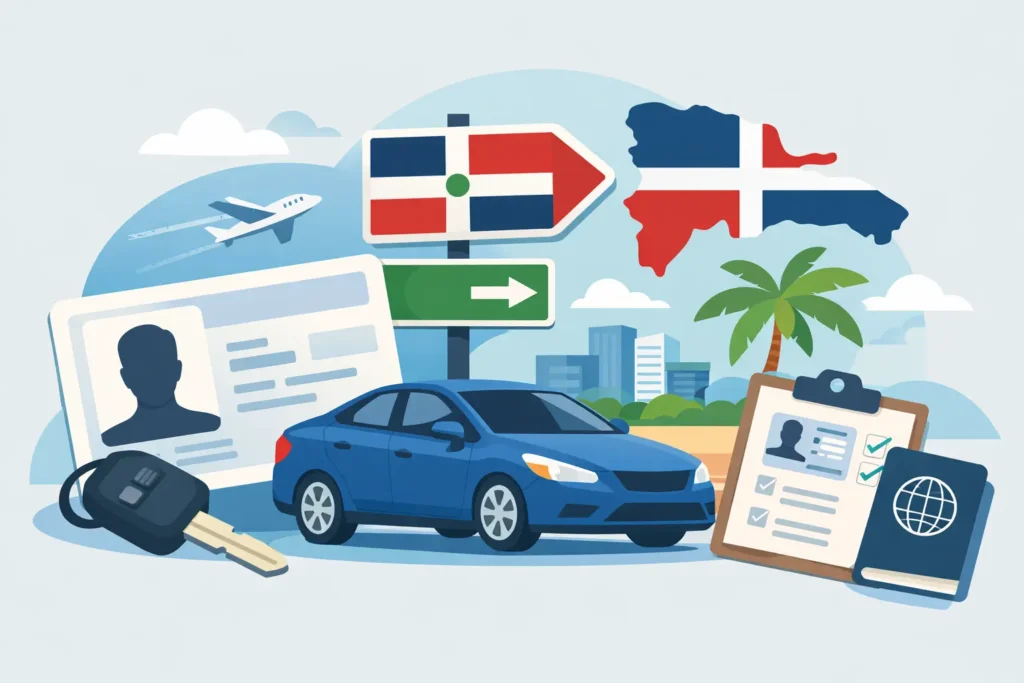
A valid U.S., Canadian, or other foreign license may be enough for a short visit, but the answer changes once the Dominican Republic becomes home. A Dominican Republic driver license for foreigners is not simply a transportation question. It can affect everyday independence, insurance decisions, vehicle ownership, and the practical ease of settling into a new life.
For a visitor staying at a resort or renting a vehicle for a brief trip, the process is usually straightforward. For a retiree, investor, remote worker, or family pursuing residency, relying indefinitely on a home-country license can create avoidable complications. The right approach depends on your immigration status, how long you expect to stay, the type of vehicle you will drive, and the requirements in effect when you apply.
When a Foreign Driver License May Be Enough
Foreign nationals who are in the Dominican Republic as short-term visitors can generally drive using a valid license issued by their home country. You should carry your passport and immigration documentation with you, and your license must be valid for the vehicle category you are operating.
That said, “permitted to drive” and “accepted without questions” are not always the same thing. A rental company may impose its own age, experience, deposit, or documentation standards. An insurer may also have specific conditions following an accident. If your license is not in Spanish, an International Driving Permit can be helpful because it provides a standardized translation of your license information.
An International Driving Permit is not a replacement for your original license. It should be carried alongside the valid license issued by your home jurisdiction. It also does not give a long-term resident the same standing as a Dominican license.
Visitors should be especially careful about overstaying their authorized period or using a tourist status as a substitute for residency. Once your life in the country involves a residence address, local banking, vehicle ownership, work, school, or ongoing business operations, it is wise to review whether a Dominican license is now the appropriate next step.
Dominican Republic Driver License for Foreigners Who Become Residents
Residency changes the practical analysis. Foreigners who establish legal residency commonly seek a Dominican driver license because it aligns their driving credentials with their local status and makes day-to-day transactions easier.
A local license may be particularly useful when purchasing or registering a vehicle, arranging insurance, dealing with a traffic matter, or presenting identification in routine situations. While a passport remains an essential identity document, a Dominican license is a familiar local credential that can reduce friction.
The process is handled through the relevant Dominican transportation and licensing authorities. Procedures, forms, fees, and appointment practices can change, so applicants should confirm the current requirements before gathering documents or traveling to an office. This is one area where preparation matters: a missing translation, expired document, or inconsistent name spelling can turn a relatively manageable appointment into several additional visits.
For most new residents, the key is timing. Your immigration documentation should be in order first. In many cases, this means completing the appropriate residency stage and obtaining the Dominican identification documents that support local applications. Starting the license process too early can leave you with documents that do not yet meet the authority’s requirements.
Do Not Assume Your Foreign License Automatically Converts
A common misconception is that a valid U.S. or Canadian license automatically converts into a Dominican one. It may help establish your driving background, but it does not necessarily eliminate local requirements.
Depending on the applicant’s circumstances and the rules in force, authorities may require medical or vision screening, a written examination, practical driving assessment, photographs, and administrative payments. Requirements can differ by license category and may be applied differently when an applicant seeks authorization for motorcycles, commercial vehicles, or other specialized vehicles.
Testing and administrative interactions may take place in Spanish. Applicants who are not comfortable handling official Spanish-language instructions should plan accordingly. This is not merely a language issue. It is also about understanding what you are signing, ensuring that your name and identification number are recorded correctly, and avoiding confusion over vehicle classifications.
Documents to Prepare Before You Apply
The exact document list should always be verified close to your appointment date. Still, applicants should expect to organize the core records that establish identity, immigration status, and driving eligibility.
These commonly include a valid passport, Dominican residency documentation, Dominican identification card when applicable, and your current foreign driver license. You may also be asked for photographs, medical documentation or proof of screening, and payment for official fees. If a foreign document is not in Spanish, a certified translation may be needed. In some cases, legalization or apostille considerations can arise, especially if the authority needs formal proof from abroad.
Names deserve special attention. A middle name, two last names, a marriage-related name change, or a small difference in spelling can cause delays when the passport, residency file, foreign license, and Dominican identification documents do not match. Resolve discrepancies before the appointment whenever possible. It is far easier to clarify a name issue with organized supporting records than to explain it at a busy licensing office.
Bring originals as well as copies when requested. Keep the documents protected and easy to access. A clear folder with your passport, residency card, cedula, foreign license, translations, and receipts can save time and reduce stress.
Practical Considerations After You Receive a License
Receiving a Dominican license is only one part of driving legally and responsibly in the country. If you own a vehicle, make sure the registration, insurance, inspection obligations, and any required tax or renewal matters are current. If you are renting, read the rental agreement carefully and inspect the vehicle before leaving the lot.
Driving conditions can differ considerably from those in the United States and Canada. Road quality varies by area, traffic can be fast-moving and unpredictable, and motorcycles are common in urban and rural communities alike. Defensive driving is not optional. Leave more space than you might at home, stay alert at intersections, avoid driving after drinking, and use additional caution at night or during heavy rain.
The best choice may also depend on where you live. Someone based in Santo Domingo or Santiago may need a local license sooner because driving is part of daily life. A retiree living near the beach who uses a driver or rideshare services may have less urgency. For an investor who visits several times each year but does not yet hold residency, maintaining a valid home-country license and understanding visitor rules may be sufficient for the moment.
How Driver Licensing Fits Into a Relocation Plan
A driver license is often treated as a small administrative task, yet it sits at the intersection of immigration, identification, transportation, and personal security. Handling it as part of a broader relocation plan helps you avoid applying before your residency documents are ready or overlooking translation and document consistency issues.
At Abreu & Associates, we help foreign nationals coordinate immigration and settlement steps with the practical details that make a move workable, including driver license assistance. For clients building a long-term life in the Dominican Republic, having one team that understands both the legal process and the on-the-ground logistics can make a meaningful difference.
If driving will be central to your new routine, prepare early, keep your current foreign license valid, and align your local application with your residency timeline. That preparation gives you more than a card in your wallet – it gives you greater confidence to move through the country on your own terms.